Journal · Retrofit · 5 min read
Keep it or knock it down? How we cost a retrofit
At Gallowgate Works the client arrived with a demolition price. Keeping the warehouse came out £310,000 cheaper. Here is how we built the comparison.
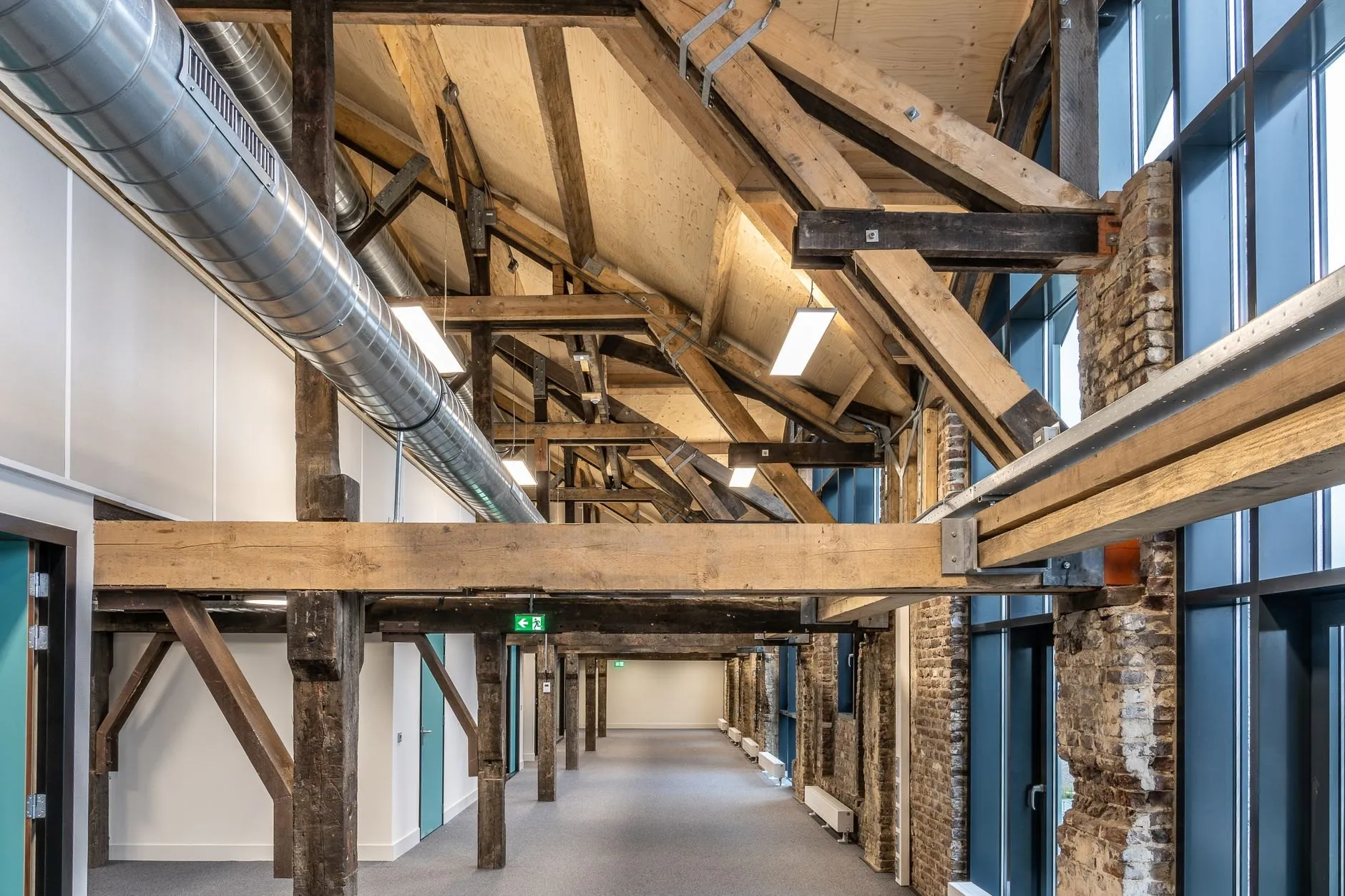
Most clients who own an old building have already been given a demolition price by the time they call us. It usually looks cheaper, because it is a single number from one contractor, and the retrofit is a list of unknowns.
The fix is to compare like with like, and to put a price on the unknowns rather than leave them as fears.
Four lines that decide it
- Demolition and disposal. At Gallowgate this was £240,000 before a single new brick was laid.
- The frame you would be rebuilding. A new structure of the same volume priced at £780,000. The existing one was free, subject to £95,000 of repairs.
- Programme. Keeping the shell took eleven weeks off the build, which the client valued at four weeks’ earlier rent on twenty studios.
- Risk allowance. We carried a 12% contingency on the retrofit against 5% on the new build, and it still won.
The result
Keeping the building came out £310,000 cheaper before embodied carbon was counted at all. Counting it made the gap wider, but the decision did not need it, and we think that matters: a retrofit that only works if you value carbon is a harder sell to a lender than one that simply costs less.
When knocking down is right
Sometimes it is. A building with a failed frame, no daylight past eight metres from the window, or floor-to-floor heights under 2.7m will usually cost more to keep than to replace. We say so in the feasibility note, and we have said so four times in the last two years.
See how Gallowgate Works turned out, or send us the address of the building you are weighing up.